




Fun Decimal Activities for 4th Grade Students (That Actually Work)
7 engaging decimal activities for centers, review, and small groups
Need decimal practice your students will actually enjoy?
If worksheets are causing zoning out, confusion, or place value mistakes, these engaging decimal activities can help. They’re perfect for:
✅ math centers
✅ review days
✅ small groups
✅ early finishers
✅ test prep
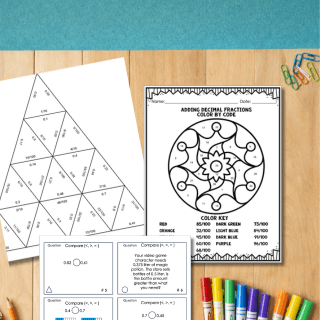
🎁 Want ready-to-use practice too?
Grab my FREE decimal activities here:
1. Decimal Number Line Challenge
Give students a number line from 0 to 1 or 0 to 2 and a set of decimal cards.
Use decimals such as:
0.2
0.45
0.7
0.95
1.3
Set a timer and challenge students to place each decimal in the correct spot before time runs out.
Then ask bonus questions for extra points:
Which number is closest to 1?
Which decimal is between 0.4 and 0.6?
Which decimal is greatest?
To level up the game, use three rounds:
Round 1: tenths
Round 2: hundredths
Round 3: decimals greater than 1
Students love racing the clock while building real decimal number sense.
Teacher Tip: Use this as a warm-up, center activity, or partner challenge.
Number lines are one of my favorite tools when teaching decimals in 4th grade because they build real number sense.
2. Decimal Color by Code
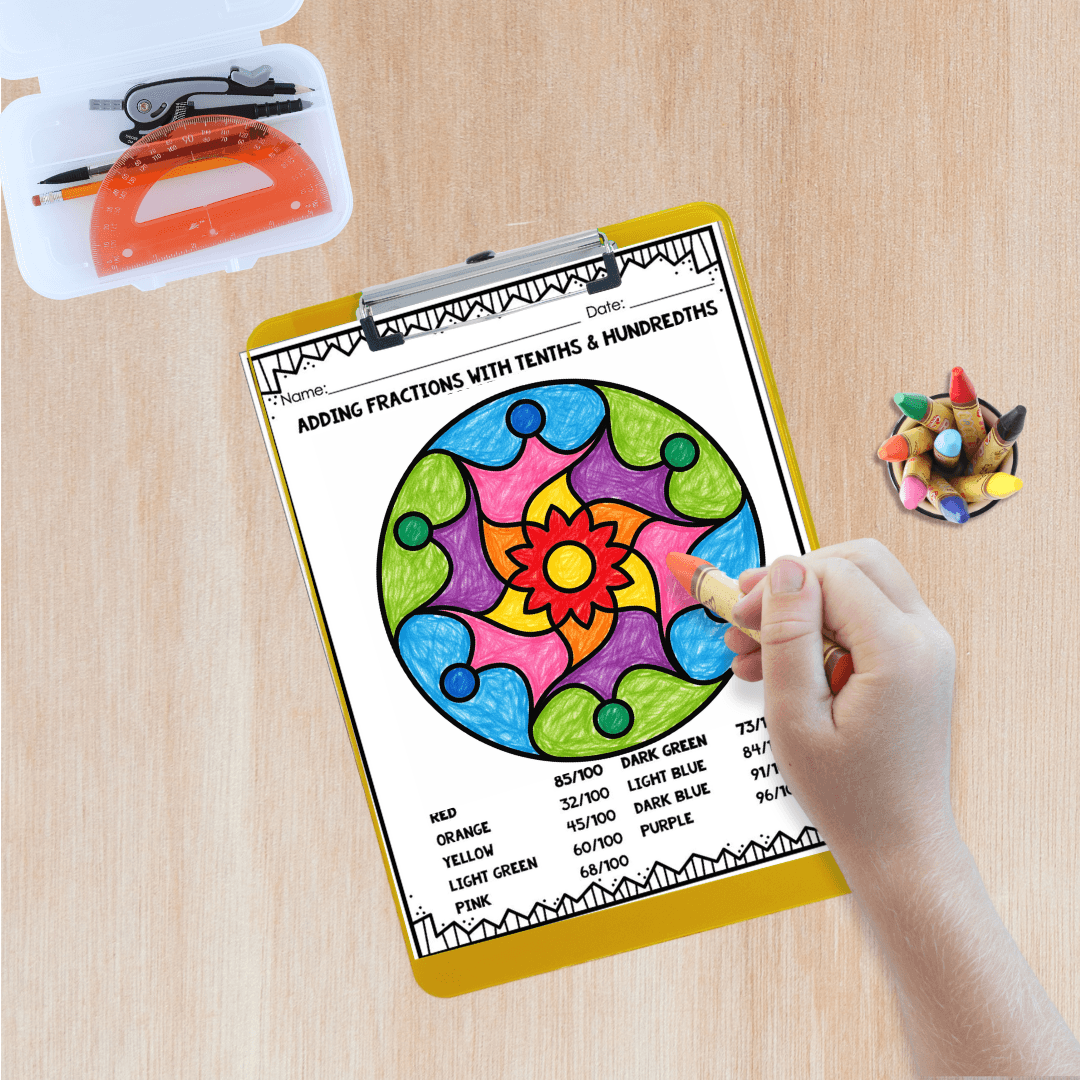
Students solve decimal problems and color sections based on the answers.
Great for practicing:
comparing decimals
decimal place value
adding decimals
subtracting decimals
Students stay engaged because it feels like a puzzle instead of a worksheet.
Teacher Tip: Perfect for centers, review days, or early finishers.
3. Decimal Task Cards
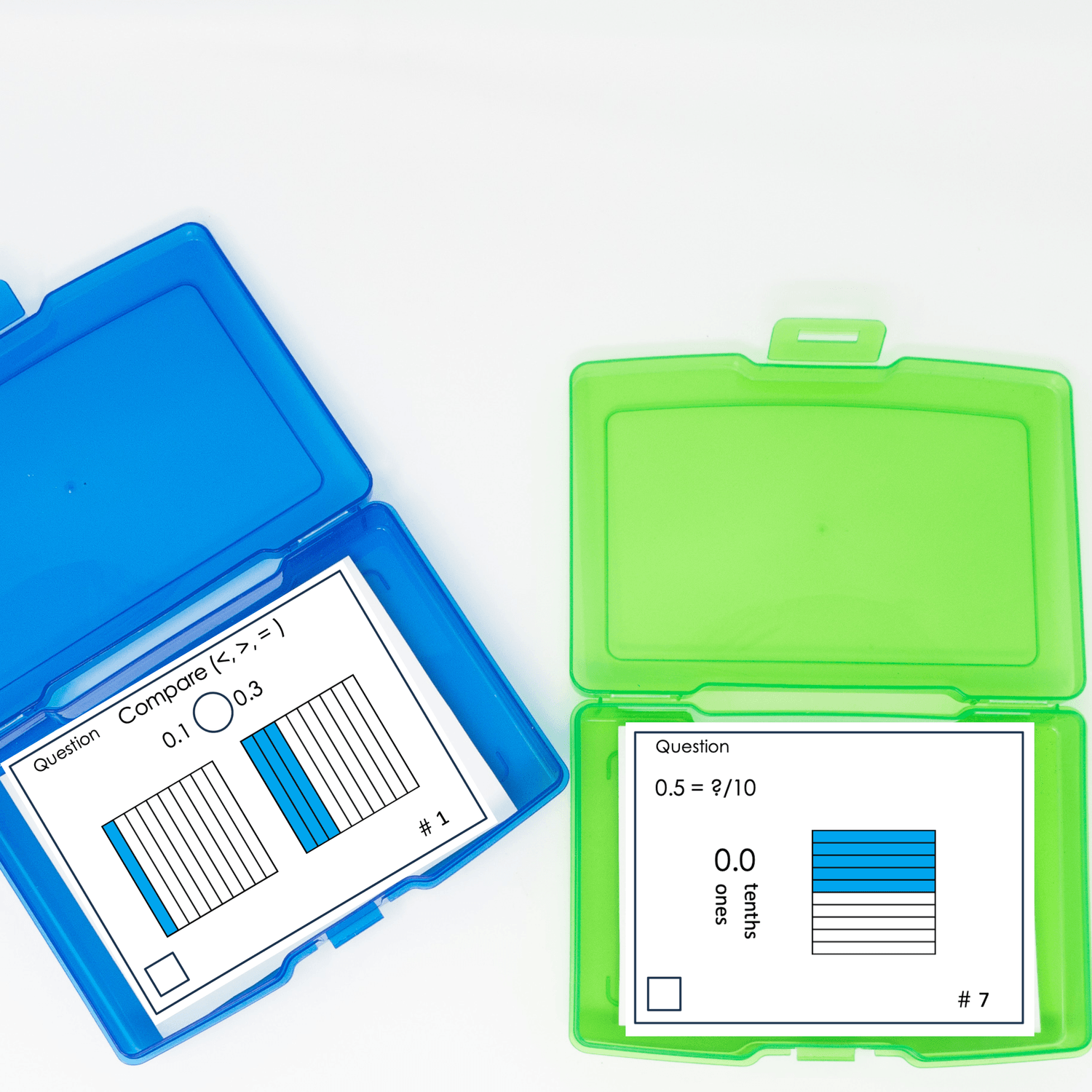
Task cards are one of the easiest ways to add movement and engagement to math practice.
Use them for:
around-the-room review
partner work
small groups
scoot games
independent practice
You can mix multiple decimal skills without overwhelming students.
Teacher Tip: Decimal task cards work especially well during rotations.
If you need help managing groups at the same time, here’s how I teach small groups without the room falling apart.
If you’d like low-prep decimal activities already created for you, browse my ready-made resources here:
4. Money Math With Decimals
Online Shopping Spree
Turn decimal practice into a real-world shopping game students will love.
Give students a budget and a list of item prices. If approved technology is available, students can also browse a school-approved shopping website to find real prices.
Students must compare prices, add totals, and stay under budget.
Challenge Ideas
1. $25 Budget Challenge
You have $25.00 to spend.
Choose items without going over.
Who gets the most items?
2. Closest to Budget Wins
Spend as close to $40.00 as possible without going over.
Closest total wins.
3. Better Deal Battle
Which costs more?
Water Bottle = $18.95
Backpack = $18.59
Explain how you know.
4. Exact Total Challenge
Can you spend exactly $30.00 using 2–4 items?
5. Mystery Cart
Your cart total is $27.48.
What items could be in your cart?
More than one answer may work.
Students build decimal skills while practicing real-world budgeting and decision-making.
Teacher Tip: If devices are available, let students use a school-approved website to compare real prices. If not, use a printed price list or classroom store menu.
5. Decimal Matching Game
Turn decimal review into a fun matching game students will want to play again and again.
Create cards with different representations of the same number. Place all cards face down, then students take turns flipping over two cards to find a match.
Match cards such as:
model ↔ decimal
fraction ↔ decimal
expanded form ↔ decimal
word form ↔ decimal
Example Matches
0.5 ↔ 1/2
0.25 ↔ twenty-five hundredths
0.7 ↔ 7/10
0.43 ↔ 4 tenths + 3 hundredths
If the cards match, the student keeps the pair and takes another turn. If not, flip them back over and play continues.
The player with the most matches wins.
Students build deeper understanding by connecting decimals to fractions, models, and place value forms.
Teacher Tip: Use a smaller set of cards for beginners or mix in more challenging cards for an added challenge.
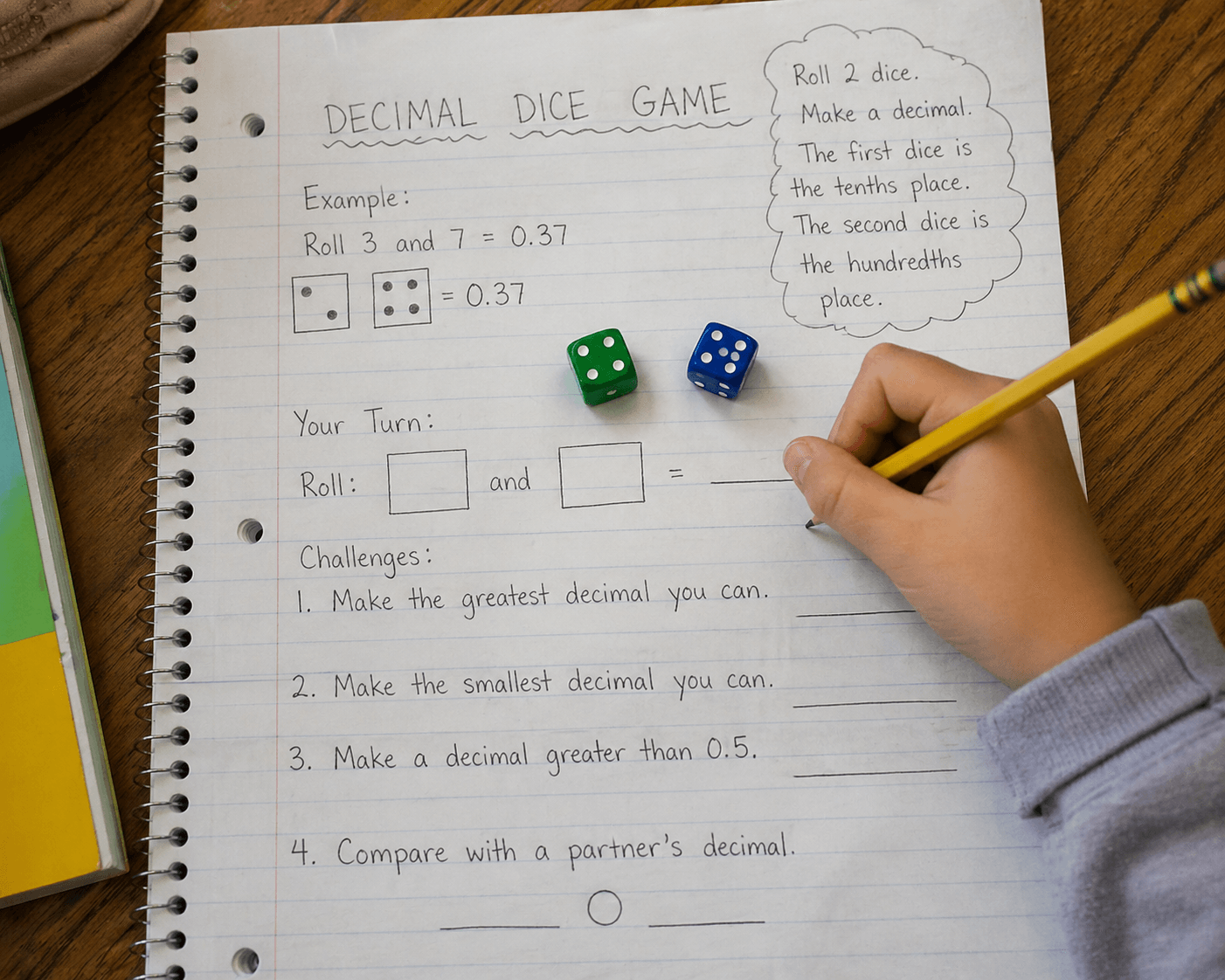
6. Decimal Dice Game
Students roll dice to create decimals.
Example:
Roll 3 and 7 = 0.37
Then challenge students to:
make the greatest decimal
make the smallest decimal
create a decimal greater than 0.5
compare with a partner’s decimal
Quick, simple, and effective.
7. Decimal Daily Challenge
Give students 3 quick decimal problems each day and see if they can finish accurately before time runs out.
Try:
compare decimals
write a decimal in word form
place a decimal on a number line
Make It a Game
Beat the Clock: Finish before the timer ends
Streak Tracker: All correct = earn a point
Level Up Friday: Add 1 bonus problem
Team Challenge: Partners solve together
This short daily review builds confidence and keeps decimal skills sharp.
Teacher Tip: Perfect for morning work, warm-ups, or exit tickets.
Final Thoughts
Teaching decimals does not have to mean endless worksheets.
When students practice with movement, games, visuals, and short daily review, decimals become much easier to understand.
Try one or two of these ideas this week and see what clicks with your students.
And if you'd like free practice to get started, grab the decimal activities above here:
👉 Grab the FREE Decimal Practice Package here: